
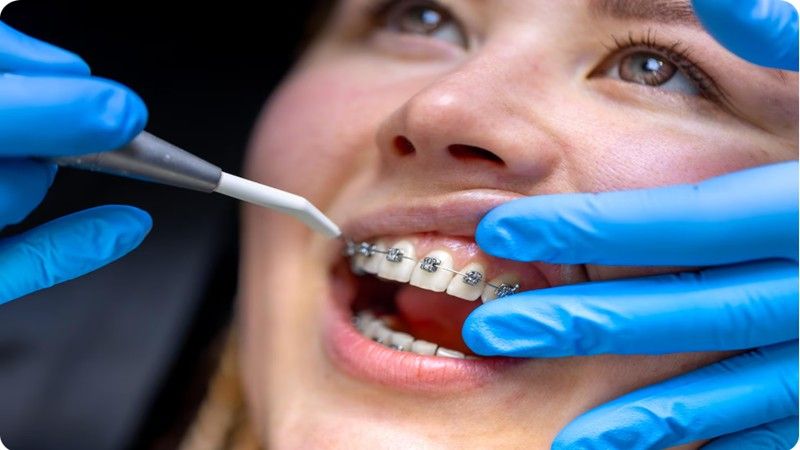
If you’ve recently gotten braces, you’ve probably found yourself wondering: How long does braces pain last? It’s a totally valid question because, let’s face it, no one likes discomfort, especially when it comes to your mouth! Whether you’re about to start your treatment or are already a few days in, the pain can feel like a big obstacle to deal with.
Don’t worry, though! In this article, we’ll walk through what to expect when it comes to braces pain, how long it typically lasts, and what you can do to ease the discomfort. By the end, you’ll feel much more prepared to handle the process with confidence.
What Causes Braces Pain?
First off, let’s break down why braces hurt. When your braces are first put on, or after adjustments, they apply pressure to your teeth to slowly move them into alignment. This pressure causes the bones in your mouth to shift, and that’s what leads to discomfort.
Let me explain it in a simple way—imagine that you’re trying to push something heavy into a new position. You’d feel some pressure, right? Well, that’s exactly what’s happening with your teeth, just in a more controlled and gradual way. While it’s uncomfortable at times, it’s necessary for your smile to improve.
How Long Does Braces Pain Last?
So, let’s get to the heart of the matter—how long will this pain last? The truth is, it varies from person to person, but here’s a general idea:
1. Initial Pain After Getting Braces
When you first get your braces on, you’ll likely feel soreness in your mouth for the first few days. This discomfort usually peaks within 2 to 4 days after the procedure. Most people describe it as a dull ache or a feeling of pressure.
2. Pain After Adjustments
If you’re already wearing braces, you know that periodic adjustments are part of the process. After each adjustment, you’ll probably experience some level of pain or discomfort again. This pain can last anywhere from 1 to 3 days. The good news is that this pain tends to be less intense than the initial soreness.
3. Pain From Specific Braces Parts
Sometimes, it’s not the braces as a whole causing the pain—it’s a specific part of the appliance. For example, the wires might poke the inside of your cheeks or gums, causing discomfort. This can happen at any time during your treatment, but there are easy ways to deal with it, such as using orthodontic wax to cover the sharp parts.
4. Overall Duration of Pain
On average, you can expect the pain to last for a few days after each adjustment, with the worst of it being right after the braces are put on. But don’t worry! The pain generally becomes more manageable as you get used to your braces and your mouth adjusts to the constant pressure.
Why Does Braces Pain Happen?
Now that we know the pain usually lasts a few days, let’s dive into the “why” behind it. The primary reason for pain is the pressure applied to the teeth, as I mentioned before. However, the pain is also a sign that the treatment is working! It means your teeth are shifting into the correct positions, and that’s exactly what you want.
However, this doesn’t mean you have to just suffer through it. There are a lot of ways to manage the discomfort and make your life a little easier while your teeth work their magic.
Tips for Easing Braces Pain
Here’s where most people get confused—thinking they just have to “tough it out.” But trust me, there are plenty of tricks to help you feel better while you wait for the discomfort to pass. Here are some tips that might help:
1. Pain Relief Medication
If the pain is intense, over-the-counter pain relievers like ibuprofen (Advil) or acetaminophen (Tylenol) can do wonders. Be sure to follow the directions on the packaging, and if you have any concerns, don’t hesitate to ask your dentist.
2. Soft Foods Are Your Best Friend
During the first few days after getting your braces or after adjustments, avoid tough, hard-to-chew foods. Instead, stick to soft foods like mashed potatoes, soup, yogurt, and smoothies. These will be much gentler on your sore teeth.
3. Use Orthodontic Wax
If the brackets or wires are irritating the inside of your mouth, orthodontic wax can help. Simply roll a small piece of wax and press it onto the parts of your braces that are causing discomfort. This creates a protective barrier that reduces irritation.
4. Cold Compress or Ice
Applying a cold compress to your cheeks can help reduce swelling and numb the area slightly, providing relief from soreness. Just make sure to wrap the ice pack in a towel to protect your skin.
5. Salt Water Rinse
A simple saltwater rinse can help soothe sore gums and keep your mouth clean. Mix a teaspoon of salt with warm water, swish it around for about 30 seconds, and spit it out. This can reduce inflammation and promote healing.
6. Stay Hydrated
Drinking plenty of water can help prevent dry mouth and support the healing process. Plus, it just feels good to have something cool and refreshing when you’re dealing with discomfort.
Real-Life Examples & Use Cases
Let’s make this more relatable. Imagine you’ve just gotten braces put on and your mouth is sore for the next few days. You might be tempted to avoid going out or doing things with friends, but you don’t have to let this temporary pain ruin your routine.
For example, if you’re in India and are about to enjoy a family meal, stick to some soft foods like khichdi, dahi, or a nice bowl of soup. Not only will these be gentle on your braces, but they’ll also give you comfort while the soreness subsides.
In Pakistan, if your kids are wearing braces, get creative with fun, soft snacks like fruit smoothies or mashed potatoes with cheese. It’s a great way to keep everyone happy and still keep up with the necessary meals during the sore days.
FAQ Section
Q: How long will braces pain last after the first appointment?
A: The pain usually peaks within 2 to 4 days and starts to subside after that. It can last anywhere from a few days to a week for some people, but it’s manageable with pain relief methods.
Q: Is braces pain constant, or does it come and go?
A: The pain often comes in waves. You might experience discomfort right after getting braces or after an adjustment, but it should improve as your mouth adjusts.
Q: Can I eat normally after getting braces?
A: While it’s tempting to dive into your usual diet, it’s best to stick to softer foods for the first few days to minimize discomfort. Avoid anything too tough or chewy.
Q: Should I worry if the pain lasts longer than a week?
A: If the pain lasts for more than a week, it’s a good idea to contact your orthodontist. In some cases, there may be an issue with the braces or a complication that needs to be addressed.
Q: Are there any home remedies to help with braces pain?
A: Yes! Try using orthodontic wax, saltwater rinses, and ice packs to ease discomfort. These simple solutions can make a big difference.
Q: Can braces pain be prevented entirely?
A: While some discomfort is inevitable, using pain relief medications and soft foods can help make the process much easier to tolerate.
Conclusion
In conclusion, the pain that comes with braces is temporary, usually lasting only a few days after your initial fitting and adjustments. It’s a sign that your teeth are shifting into place, so while it may be uncomfortable at times, it’s part of the process toward a healthier, straighter smile.
By using pain relief strategies and being mindful of what you eat, you can make the experience more manageable. Keep in mind, the pain is a small price to pay for long-term benefits. Soon enough, you’ll be smiling with confidence!
For More Details:https://procurementnation.online/